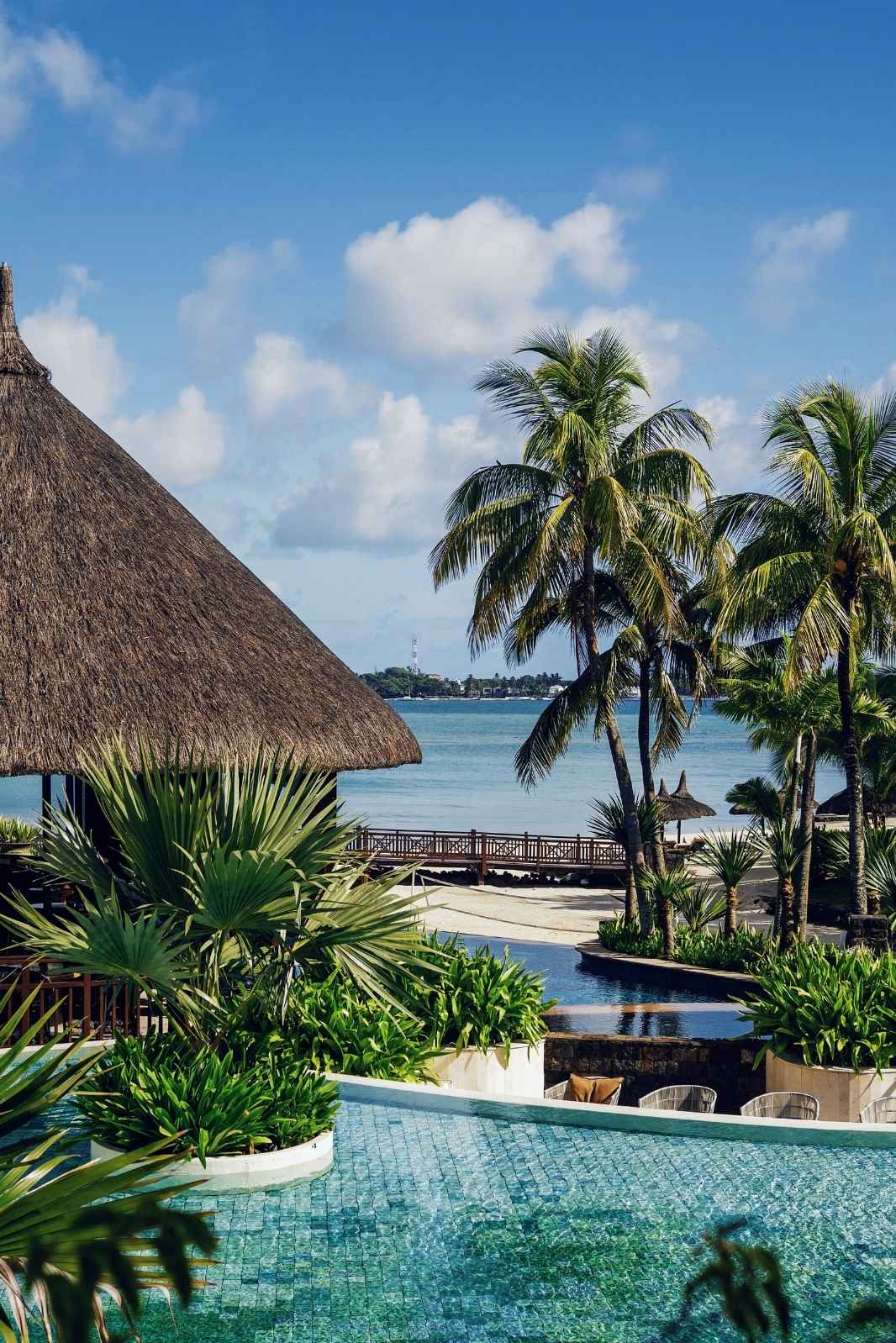
Mauritius is a small island in the Indian Ocean, off the southeast coast of Africa. It lies some 900 kilometers east of Madagascar.
Mauritius has a diverse landscape. Inland, there are volcanic mountains, the main one being Montagne du Pouce which rises to an altitude of around 812 meters. The mountains are covered by dense tropical forests and are home to a wide variety of plant and animal species.
The coast of Mauritius is lined with white sandy beaches and turquoise lagoons. These beaches are one of the island’s main tourist attractions. The lagoon’s warm, clear waters also offer opportunities for diving, scuba diving, snorkeling and other water sports.
- Population: 1.266 million in 2021
- Area: 2,040 km2
- Currency: Mauritian rupee (MUR or RS)
- Official languages: French, English, Mauritian Creole
Discover how the Mauritian healthcare system works
Over the past few years, healthcare on the island has improved significantly in terms of quality. So if you fall sick, you can be sure of receiving high-quality medical care. Access to the medical profession is subject to strict regulations, with only highly qualified specialists allowed to practice. This measure is designed to ensure the quality of care provided.
Mauritius offers universal health coverage, which means that all Mauritian citizens have access to basic health services. Public clinics and hospitals are spread across the island to ensure access to primary and specialized healthcare.
The Mauritius Social Security Act makes it compulsory for all employers to provide health insurance for their employees. This insurance covers medical expenses in public or private facilities.
The healthcare system in Mauritius is characterized by a mixed system of public and private services:
- Public services: The Mauritian government manages a number of public hospitals and health centers in different parts of the island. These facilities provide medical care, consultations, medicines, and emergency services at subsidized rates.
- Private services: In addition to public services, there is a private healthcare sector offering medical and hospital services. Private clinics, hospitals and doctors’ offices are available for those who prefer more personalized treatment at extra cost.
Although the public healthcare system is capable of treating most health problems, expatriates show a clear preference for the private system, which is faster and often better equipped.
In addition to conventional medicine, Mauritius also recognizes the importance of traditional medicine. Traditional medical practices, such as acupuncture and herbal medicine, are used and integrated into some healthcare facilities.
Healthcare formalities for expatriates
To stay in Mauritius for more than 6 months, it is necessary to obtain a residence permit in accordance with the requirements of the local authorities. A tourist visa only allows you to stay on the island for 3 months, with the possibility of renewing it only once.
If you are not retired or an investor, you will need an “occupation permit“, a residence permit for foreign nationals working and living in Mauritius. It is valid for 10 years.
Beyond this period, expatriates may be eligible for a permanent residence permit, provided they meet the required eligibility criteria. This is valid for 20 years.
Visiting a doctor
Being admitted to hospital
Buying medication
Mauritius has a number of well-stocked pharmacies offering a wide range of medicines, from the most common to the rarest products. These pharmacies can meet all your medication needs. If you’re looking for a specific product, it may be best to go to a large pharmacy chain such as Dis-Chem or MediClinic.
It’s essential to note that some pharmacies offer common over-the-counter medications, while others require a doctor’s prescription. Over-the-counter medications include products such as antacids, antihistamines and painkillers, and can be purchased in supermarkets, grocery stores, and pharmacies.
It’s recommended never to take medicines bought in the street (risk of counterfeit drugs).
Vaccinations to be carried out
Before going to Mauritius, travelers are not obliged to have any vaccinations. However, the government strongly recommends updating basic vaccines such as diphtheria, tetanus, whooping cough, hepatitis A and B, and measles (for children).
There is an exception for yellow fever. If you have recently visited a country where this disease is active, you must be vaccinated. This applies, for example, to travelers who have been on safari in Tanzania or Kenya prior to their stay.